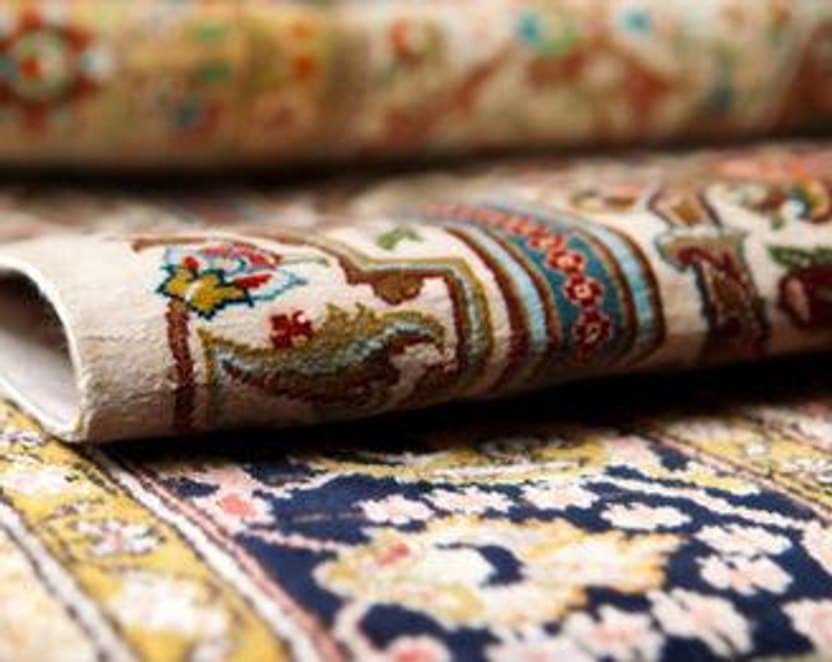
Rugs bring warmth, comfort, and personality into a home. Plenty of families in Franklin use them to make living rooms cozier, soften hardwood floors, cut down on noise, and add color. Over time, though, rugs collect dust, oils, allergens, pet dander, and everyday debris deep in the fibers. Regular cleaning preserves both the look and the lifespan, but one of the biggest mistakes homeowners make is using too much water.
People assume soaking a rug means cleaning it more deeply. In reality, overwetting certain rugs can cause serious, sometimes permanent damage. That's especially true for oriental rugs, delicate handmade rugs, natural-fiber rugs, antiques, and some area rug materials that react badly to excess moisture. Good rug cleaning removes the dirt while protecting the structure, dyes, and fibers along the way.
Why Rugs React Differently to Moisture
Not all rugs are built the same way. How a rug handles water depends on its fiber type, dye composition, construction method, age, backing, and any adhesives underneath. Some tolerate moisture fine. Others become very vulnerable once oversaturated. Oriental rugs need especially careful moisture control because many contain natural fibers and delicate dyes that react unpredictably to heavy water. Older rugs weaken over time too, which makes them more sensitive during cleaning.
What Happens When a Rug Gets Overwet
Too much moisture affects more than the surface. Water can penetrate the fibers, backing, padding, adhesive layers, and the floor below. Once it's trapped inside, several problems start fast.
Mold and mildew. Moisture trapped in thick fibers creates a home for fungal growth, leading to musty odor, damp smell, discoloration, and air-quality issues. Franklin's humidity slows drying and makes this worse if a rug is heavily saturated.
Shrinkage. Natural-fiber rugs can shrink when soaked. Wool, cotton, and handmade oriental rugs are especially prone to curling edges, wrinkling, and distorted shape. Once a rug shrinks, restoring its original form is extremely difficult.
Dye bleeding. Many oriental rugs use natural or hand-dyed fibers. Overwetting can cause colors to bleed into neighboring sections. Reds, blues, and dark pigments are the usual culprits, creating blurred patterns, faded areas, and permanent discoloration.
Backing damage. Rugs with adhesive backing or layered construction can delaminate, peel, crack, or separate when too much moisture gets in.
Lingering odor. An overwet rug can develop a smell even after the surface feels dry, because moisture deep inside keeps feeding bacteria, leaving a recurring musty or sour scent.
Why Oriental Rug Cleaning Needs Special Care
Oriental rug cleaning differs from ordinary carpet cleaning in important ways. Many oriental rugs are handmade from wool, silk, cotton, and natural dyes, with intricate weaving and fragile fibers that react poorly to aggressive methods. Cleaning them right means understanding fiber sensitivity, dye stability, moisture tolerance, drying methods, and the rug's age and condition. Overwetting one can permanently damage its structure, appearance, and value.
Rugs That Should Never Be Overwet
Some rugs are especially vulnerable: antique oriental rugs with weakened fibers and delicate dyes, wool rugs that hold water deep inside, fragile silk rugs, cotton rugs that shrink easily, and handwoven rugs whose weave can loosen or distort.
Signs a Rug Has Been Overwet
Watch for musty odor, curling edges, stiff texture, discoloration, a mold smell, damp backing, wrinkles, uneven shape, or sticky residue. Some of these show up right away, while others develop days after a DIY cleaning attempt.
Why DIY Rug Cleaning Backfires
Many homeowners try rental machines, garden hoses, or buckets of water, and accidentally overwet the rug because they underestimate how hard rugs are to dry. Common mistakes include using too much water, scrubbing aggressively, leaving rugs damp too long, using harsh chemicals, and ignoring material differences. Standard carpet cleaning machines also oversaturate delicate rugs quickly, since oriental rugs usually need gentler treatment than wall-to-wall carpet.
How Professional Cleaning Prevents Overwetting
Our process is built around the rug material itself, using low-moisture cleaning designed to remove dirt and contamination while protecting delicate fibers. It starts with an inspection of the material, dye stability, fiber condition, existing damage, and odor concerns to choose the safest approach. From there we use controlled cleaning that avoids unnecessary saturation, deep contamination removal, fast drying with proper airflow, and a final inspection. Quick drying matters because the longer moisture stays trapped, the greater the risk of mold, fiber weakening, dye migration, and odor.
Habits That Protect Rugs Between Cleanings
Vacuum regularly, since trapped grit acts like sandpaper on the fibers. Remove shoes indoors, blot spills immediately instead of scrubbing, keep rugs as dry as possible, rotate them every few months, groom pets, use a rug pad for airflow, and keep delicate rugs out of harsh direct sunlight. These small habits slow wear and prevent dirt from settling in too deeply.
If you have a valuable oriental rug or one that's started to smell musty, don't risk a DIY soak. Our area rug cleaning protects delicate fibers with careful moisture control and proper drying. Call Safe-Dry of Franklin at 615-560-8384 or book online. Ask about the 3 rooms for $88 deal and keep your rugs cleaner, fresher, and lasting longer.